Modern evening screen exposure suppresses melatonin and elevates sympathetic nervous tone. Ruminative thoughts activate the default mode network (DMN), delaying the onset of slow-wave sleep.
Non-pharmacological sensory biofeedback—such as low-frequency microcurrent palm stimulation—stimulates peripheral acupuncture points (Laogong PC8), signaling the autonomic nervous system to downregulate cortisol and shift into parasympathetic restorative mode.
Creating the Ideal Sleep Sanctuary
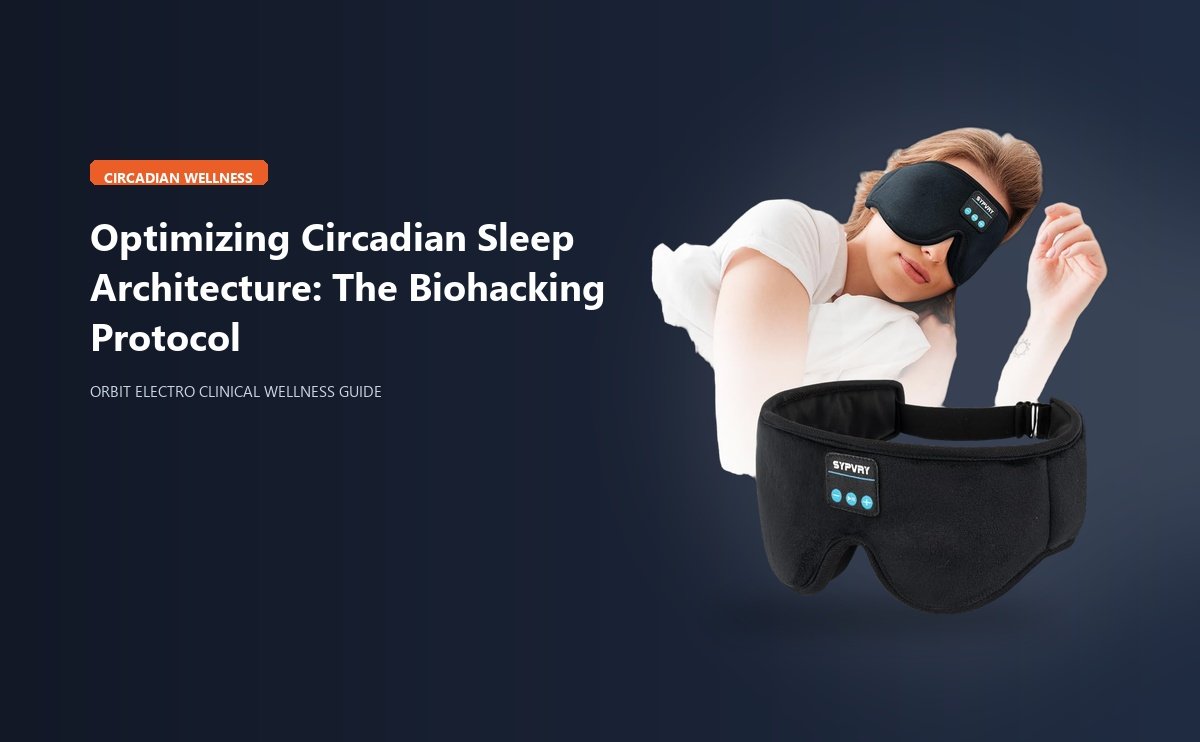
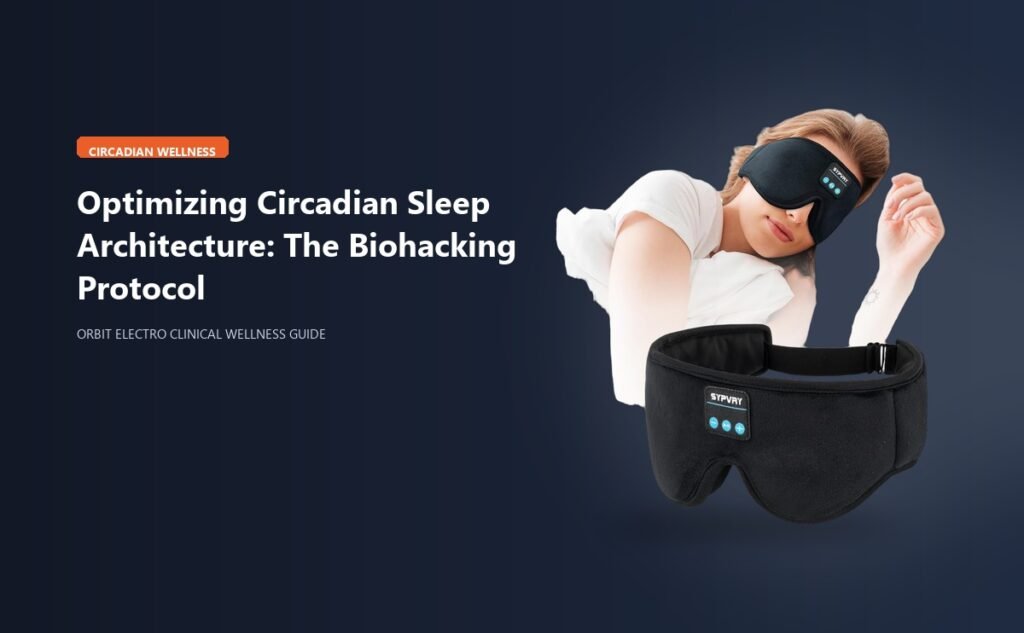
Pairing gentle bioelectric pulses with 100% contoured 3D eye blackout allows the pineal gland to resume natural melatonin release, dramatically shortening sleep latency and increasing restorative REM sleep percentage.